Does paying for generation automatically grant commercial rights?
Payment alone does not resolve every right. Check the applicable output terms alongside source image permission, likeness consent, audio licenses and the intended publication context.
SPICYFRAME · PRACTICAL GUIDES
Check commercial rights for adult glamour video across source photos, likeness, generated output, audio and publication, with a practical project record.
5 seconds · 480p · $3.99. Pay per video, no subscription required.
Updated

NSFW AI commercial use is not a single yes-or-no property attached to a finished clip. For non-explicit adult glamour, the rights chain can include the source photograph, the person's likeness, a commissioned illustration, music, visible branding and the destination's rules. A service's output terms address only part of that chain. Start with the intended use: a portfolio, paid advertisement, client campaign or social post may raise different contractual questions. This guide is a practical checklist rather than a legal determination for a jurisdiction. When a valuable project depends on uncertain rights, obtain appropriate professional advice. The useful first step is to identify the actual assets and permissions instead of assuming that payment for generation clears everything.
Owning a file, buying a print or finding an image publicly does not automatically give you every right to transform and publish it. Check who created the source and what permission covers your use. A photographer's agreement may distinguish ordinary publication from AI processing or derivative works. A commissioned illustration may have its own license and character restrictions. Keep the agreement, source filename and relevant correspondence together. If the license is unclear, resolve it before upload rather than after a client has approved the result. The photographer workflow guide provides a useful production context, but the controlling evidence is the actual agreement that applies to the particular image and project.
A license to use a photograph does not necessarily resolve the depicted adult's consent to an AI-generated glamour interpretation. Make the context clear: the styling, the invented movement, where the result will appear and whether it will advertise a product or service. Do not infer consent from a public profile picture or from permission granted for an unrelated portrait session. Use your own authorized image, a consenting adult or an appropriately licensed fictional adult character. Keep the content non-explicit and preserve the intended presentation. The NSFW-style guide explains the aesthetic scope. A clear consent record protects the collaboration from mismatched expectations about what the generated scene represents.
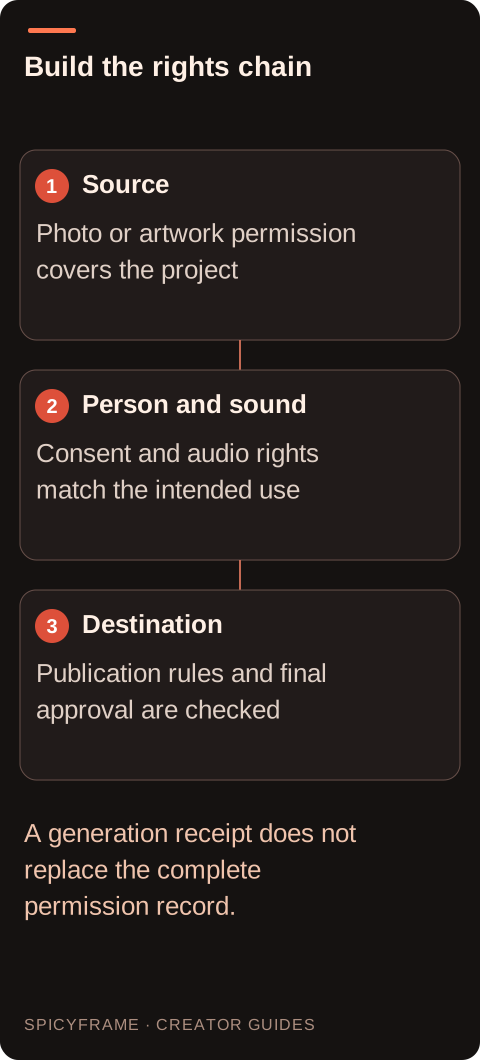
Check the current terms that apply to the tool, account type and generation method you will use. Distinguish ownership language, a license to use output, restrictions on commercial publication and disclaimers about third-party rights. These are related but not interchangeable. Do not transfer API terms to a consumer app or a paid-plan condition to a trial without evidence. Save the relevant version or date with the project. SpicyFrame's ability to produce a downloadable MP4 does not by itself answer every commercial rights question. The pay-as-you-go guide explains how purchases work, while the applicable legal terms and your source permissions determine what you can do with the result.
A glamour clip may contain generated ambient sound, externally added music, a recognizable logo or artwork visible in the background. Each can create a separate review question. Do not assume generated ambience grants rights to a later song added in an editor, or that a source photo's license clears every visible third-party element for advertising. If exact branding matters, inspect the clip for invented or altered marks rather than relying on the prompt to reproduce a logo. Add controlled campaign text and graphics externally when appropriate. The audio guide explains the creative role of sound, but licensing decisions should be tied to the actual audio assets used in the final export.
Suppose a label commissions a short vertical clip of an adult model wearing its evening jacket. A practical project record would identify the photographer's source license, the model's consent for AI animation and the intended campaign, the generator terms consulted, and the license for any music added later. It would also record where the clip will be published and whether disclosure is required there. This is a planning example, not a legal conclusion that a particular contract is sufficient. If the background contains another brand's prominent artwork, the team should resolve that issue or choose a different source before generation. Clear records make later review concrete rather than dependent on assumptions made during production.
A permitted non-explicit glamour clip may still be unsuitable for a particular advertising placement, platform category or client policy. Review the destination's current rules for adult themes, synthetic media, endorsements and disclosure. Organic posting and paid advertising may have different conditions. Do not treat successful generation as approval to publish everywhere. Prepare a version whose framing and styling fit the intended placement, and keep claims about products or people accurate. If a campaign suggests a real endorsement, verify that the agreement actually covers it. The fashion video guide helps assess visual continuity, while publication review addresses a different question: whether the finished asset is appropriate and authorized in the context where viewers will encounter it.
Save the source, permissions, prompt, generated export and final edited version separately. Review whether the delivered clip changes the person's presentation, garment design or implied behavior beyond what was agreed. A technically completed render is not automatically the approved campaign asset. If the output introduces a new logo, unexpected interaction or misleading detail, revise or reject it before publication. Record any client approval against the actual final file rather than an earlier preview. This process does not guarantee a legal outcome, but it makes the evidence available for a meaningful decision. Commercial readiness comes from the complete rights and review chain, not simply from an NSFW label, a paid receipt or a downloadable video.
| Requirement | Decision | Evidence to check |
|---|---|---|
| Photographer supplies the reference | Check transformation and publication permission | Actual agreement covers the intended use |
| Real adult appears in the clip | Confirm contextual likeness consent | AI glamour and campaign placement are understood |
| External song is added | Verify the music license | Final audio use is covered |
| Paid campaign is planned | Review destination advertising rules | Generation approval is not confused with ad approval |
| Client approves a preview | Confirm the final delivered version | Rights and approval match the actual file |
Payment alone does not resolve every right. Check the applicable output terms alongside source image permission, likeness consent, audio licenses and the intended publication context.
It may not cover the depicted person's agreement to AI glamour animation or endorsement. Treat source copyright and likeness permission as separate questions tied to the actual use.
Public availability is not permission for commercial AI animation. Obtain appropriate authorization or use a source and adult subject whose rights clearly cover the project.
No. Externally added music has its own licensing requirements. Keep audio assets and permissions with the project record, including the final version that was actually published.
They can be governed by different platform and contractual rules. Review the intended placement directly rather than assuming approval for one use covers the other.
Keep sources, permissions, applicable terms, the brief, original output and final edited file. Tie any client approval to the actual delivered version so later questions can be assessed.