Plan a night-city glamour video with clothed adult street fashion, coherent lights and controlled backgrounds, then check motion, signs and reflections.
5 seconds · 480p · $3.99. Pay per video, no subscription required.
Updated
AI-generated editorial illustration: an adult fashion look in red city light. This is a styling reference, not a video-generation result.
Give the city a supporting role in adult fashion
Night glamour photography can inspire a street fashion video when the city provides atmosphere without overwhelming the adult subject. Use authorized references of consenting adults in complete outfits, and define the scene as a staged or fictional editorial. A coat under a streetlamp, a portrait beside a shop window or one slow step along an unbranded street can communicate style. Avoid implying covert capture or a real unplanned encounter. Decide whether the key visual element is the garment silhouette, the face or the contrast between warm and cool light. That choice helps you limit traffic, signs and other background motion to what the shot actually needs.
Choose a location image with manageable detail
A clear sidewalk, one light source and a simple building edge are easier to review than a crowded intersection. Check the source for unrelated people, readable personal information and recognizable brands that could change the clip’s meaning. Use location images you are allowed to transform. A photograph of a real street does not guarantee that generated movement will preserve its layout. Large camera travel may invent storefronts or road geometry beyond the original view. Keep exact location claims modest and accurate. If the scene is a fictional city inspired by the reference, describe it that way rather than suggesting the adult was filmed at a particular place and time.
Choose a dominant light before adding color
A warm streetlamp can lead while a cool shop window provides an accent. Alternatively, a neutral face light can keep the adult readable against a colored background. The lighting guide helps distinguish these roles. Avoid requesting every sign and window to illuminate the face equally. Conflicting sources can make skin and clothing change color without a visible cause. Read the source’s shadows and highlights before asking for a new setup. A dark coat may need an edge or a slightly brighter background to stay separate from the night. Define which garment feature must remain visible, such as the collar or sleeve shape.
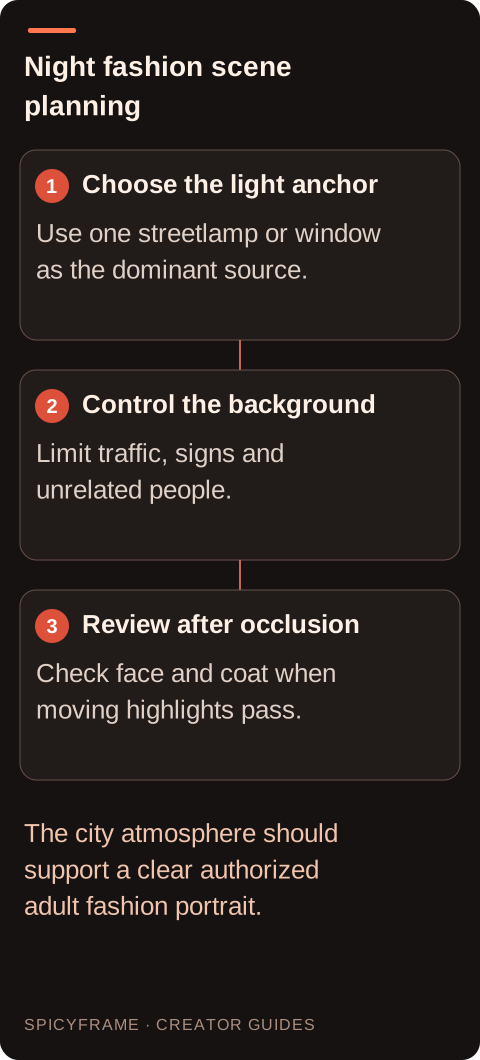
Choose the light anchor: Use one streetlamp or window as the dominant source.. Control the background: Limit traffic, signs and unrelated people.. Review after occlusion: Check face and coat when moving highlights pass.. The city atmosphere should support a clear authorized adult fashion portrait.
Limit traffic and background people deliberately
A moving car can add depth, but it also introduces reflections, headlights and possible occlusion. A crowd multiplies faces and gestures that the viewer may inspect. For a first test, a mostly quiet street keeps the adult fashion subject clear. If a passing vehicle is necessary, place its role in the brief and check that it does not cross through the person or change scale unpredictably. Do not use generated background people to imply a real public event. A scene can feel urban through light, architecture and sound without filling the frame with activity. Keep movement proportional to the short duration and the reference evidence available.
Match the camera to the fashion action
A still camera with one small head turn can produce a strong night portrait. A gentle side track may suit a slow walk, but a rapid handheld effect makes identity and wardrobe harder to inspect. The camera guide explains the options. If the adult walks, leave room in the vertical frame for the coat and feet. A close crop may be better for expression but cannot also prove a full outfit’s continuity. Avoid asking for an orbit, a walk and a changing background in the same first attempt. Choose one motion that shows the garment rather than using camera energy to disguise a weak composition.
A hypothetical evening coat brief
Imagine an authorized adult portrait in a charcoal coat beside a quiet shop window. The proposed five second prompt uses @Image1 for the adult and outfit, warm light from the right, a cool background window and a single slow step. The camera follows only slightly, with subdued city ambience. Review criteria include a stable face, consistent coat buttons and a straight curb line. Check that the window does not invent a recognizable brand or another face. If the curb bends during the step, simplify the camera. This example describes a possible production decision process, not a tested render or evidence of an actual city shoot.
Review signs, reflections and ambient sound
Night scenes can hide errors in bright spots and deep shadows. Pause where a headlight or window reflection crosses the adult, then inspect the face and garment after it passes. Check signs for changing letters and avoid relying on generated text for a precise commercial message. Exact titles or authorized logos can be added externally if appropriate. Listen to the full audio: unexpected speech, sirens or music may change the tone or imply an event the image does not show. The ambient audio guide helps define suitable cues. Generated city sound should support the editorial, not be treated as a recording from the depicted street.
Finish with consistent context and a usable crop
SpicyFrame delivers vertical 9:16 MP4 clips with ambient audio in 5, 10 or 30 seconds, at Medium 480p, High 720p or Ultra 1080p. Select a short test for lighting and motion before committing to a longer scene. Review on a phone to ensure the dark outfit remains visible. External editing can trim a stable moment, adjust moderate color differences or replace sound, but it cannot prove that the street geometry or garment is accurate. Use the fashion guide for wider presentation planning. Keep captions honest about AI treatment, adult participation and location, and ensure the final context remains within the permission agreed for the source portrait.
Night-city glamour video: planning decisions
Choice
Use when
Acceptance check
Quiet shopfront
The fashion portrait should dominate the scene
Windows do not invent distracting faces or branding
Warm streetlamp
One clear source should shape the outfit
Highlights and ground shadows agree in direction
Small head turn
Expression matters more than full body movement
Face remains stable through changing highlights
Gentle side track
A slow walk is central to the concept
Curb, feet and coat remain coherent together
External title graphic
Exact commercial wording is required
Text is added deliberately rather than trusted to generation
AI image-to-video questions answered
Does night-city glamour need a neon setting?
No. A warm streetlamp, a neutral window or a softly lit doorway can provide a strong fashion setting. Choose the light that best explains the adult and outfit rather than adding saturated color by default.
Can I use a candid style?
A relaxed, staged editorial can have a candid visual style when the adult has agreed to the use. Do not imply covert filming or an unconsented encounter. The presentation should accurately reflect the authorized and generated nature of the scene.
Should I include traffic in the first test?
Only if traffic is essential to the concept. A quiet background makes identity, garment and camera review easier. Passing cars add moving highlights, scale changes and occlusion that can complicate an otherwise simple portrait.
Can the clip preserve exact street signs?
Do not rely on generated lettering for exact wording. Signs may change across frames. Use an external authorized graphic when precise text matters, and avoid captions that treat invented street details as verified location evidence.
Why does a dark coat disappear?
It may merge with the background or lose detail under weak light. Choose a clearer source, add a coherent edge or background separation in the brief, and inspect the collar and sleeves at the intended phone viewing size.
What audio should I ask for?
A restrained cue such as distant traffic or quiet evening street ambience can support the scene. Listen for unexpected voices, alarms or music, and replace unsuitable sound externally rather than assuming the generated track matches the approved mood.