5 seconds · 480p · $3.99. Pay per video, no subscription required.
Updated
AI-generated editorial illustration: an adult fashion look in red city light. This is a styling reference, not a video-generation result.
Choose the identity model before the visual style
For non-explicit adult glamour video, a real person and a fictional adult character create different responsibilities. A real person brings a recognizable likeness, personal preferences and potential reputational effects. A fictional character requires honest context and a review of the artwork and any resemblance to existing people or protected designs. Decide which project you are making before selecting references. A hypothetical fashion study might use an original adult character in a tailored coat to explore lighting, while an authorized model portrait might support that adult's own portfolio. Do not quietly move between those cases during production. Calling the final image fictional does not undo the fact that its face was taken from a real person without permission.
Use a real adult only with specific authorization
The depicted adult should understand the proposed AI transformation, including outfit, framing, movement, background and audience. Permission for an ordinary photograph does not automatically cover a sensitive glamour treatment or public campaign. Confirm that the person is an adult and do not proceed if that is uncertain. Check the photographer's rights separately from the subject's consent. The privacy guide explains the studio's requirement for authorized references and the limits of its rights declaration. Agree on how the adult will review the actual generated result before sharing. A likeness can be altered in ways that the source photograph does not predict, including a different expression, body proportion or implied association with a brand or event.
Build fictional adults from authorized original material
Use original artwork or images whose license permits the planned transformation and distribution. Make the character clearly adult in the creative brief and visual presentation; do not use youth-coded ambiguity as a styling device. Avoid copying a recognizable person's face and attaching a fictional name. Also check whether the character closely reproduces a protected costume, illustration or brand identity. A hypothetical original editorial character can have a simple invented name and consistent wardrobe, but its profile should not claim real employment or experiences. The AI image animation guide can help with the production workflow, while the rights and identity decisions remain yours. Fictional origin is a design choice, not a guarantee that every resulting image is free of resemblance or legal concerns.
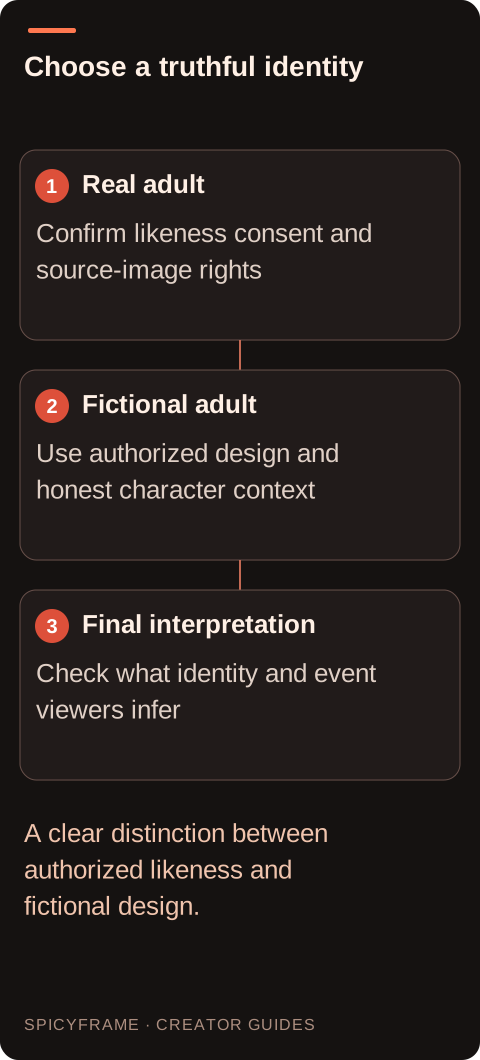
Real adult: Confirm likeness consent and source-image rights. Fictional adult: Use authorized design and honest character context. Final interpretation: Check what identity and event viewers infer. A clear distinction between authorized likeness and fictional design.
Keep a reference set that does not mix identities
Choose one lead identity image and add supporting references only when their roles are clear and authorized. Do not combine a real person's face with another person's body or a different character's distinctive features without the necessary permissions and honest context. Keep hair, age presentation, clothing and accessories consistent across the source set. The multiple-reference guide explains how conflicting inputs can create a hybrid identity. For a real adult, use current images appropriate to the approved presentation. For a fictional adult, maintain a design sheet showing stable features without inventing a real biography. Compare every new clip against that original source record rather than allowing small generated changes to accumulate until the character no longer matches the declared identity.
Choose motion that respects the identity's meaning
A modest camera move or a small neutral gesture can introduce an adult fashion look without implying an unrecorded performance. Do not use a real likeness to fabricate a spoken endorsement, a romantic relationship or attendance at an event. SpicyFrame generates ambient audio and does not provide voice cloning or scripted lip-sync. If the fictional character is used in an explanatory project, make that context clear instead of presenting it as a real person's message. The identity consistency guide can support visual stability, but no exact-likeness guarantee exists. Keep the non-explicit wardrobe and framing agreed in the brief. Identity is communicated by movement and context as well as facial resemblance, so review all of them together.
Review outputs for both drift and unexpected resemblance
Watch the full video and inspect frames where the head turns or the light changes. A real adult's face may drift away from the authorized likeness, while an original fictional character may unexpectedly resemble someone recognizable. Check the clothing, tattoos, jewelry and background too, because they can imply identity or affiliation. Do not publish a misleading resemblance merely because it was unintended. Simplify the motion, revise the authorized references or choose an alternative result. Ask a reviewer to describe who they think is represented and what the person appears to be doing. That practical question can reveal ambiguity that a technical inspection misses. A clean image is not enough if the surrounding context encourages a false identity claim.
Explain the production method where it matters
For a real adult portfolio, distinguish accurate photographs and actual filmed footage from generated motion. For a fictional fashion character, provide clear synthetic or fictional context where viewers assess identity and experience. Add exact names and labels externally rather than depending on generated text. Avoid real-world claims such as agency representation, client work or personal attendance unless they are true and authorized. Review the current rules of the publishing destination, because identity and disclosure requirements vary and can change. A label does not create permission for a prohibited or deceptive use. Keep the poster and caption consistent with the video so a single captured frame does not imply a different identity story from the full presentation.
Keep separate records for permission and character design
For a real adult, retain the relevant source license, transformation consent, final approval and distribution scope. For a fictional adult, retain the original design sources, applicable licenses, character description and project credits. Both workflows benefit from versioned files and a clear record of the approved output. SpicyFrame accepts authorized JPG, PNG and WebP references under 10 MB each, up to 12, and produces 5, 10 or 30 second vertical MP4 clips with ambient audio. External editing and publishing remain separate. If a project changes from a private concept to a commercial campaign, review the new use rather than assuming the original identity choice settled every future question. The goal is a coherent adult fashion presentation whose origin and permissions remain understandable.
Real person or fictional adult: glamour references: review decisions
Decision
Practical action
Approval evidence
Identity choice
Choose real adult or original fictional adult
Project description matches the source
Real likeness
Obtain specific transformation permission
Adult reviews the actual final version
Fictional design
Check original sources and resemblance
No borrowed identity or false biography
Reference set
Keep one coherent adult identity
Supporting views do not create a hybrid
Publication
Explain synthetic context where relevant
No invented event, performance or endorsement
AI image-to-video questions answered
Can I call a character fictional after using a real person's face?
That label does not erase the real likeness or create consent. Use authorized references and honest identity context, and do not borrow another person's recognizable face without permission for the proposed transformation.
Does a fictional adult need a copyright review?
Yes. The source artwork, costume, logos and other design elements may have owners or license conditions. Originality and permitted use should be reviewed separately from whether the depicted character exists.
Can I use a real adult's portrait for an invented endorsement?
Do not imply that the person made a statement or endorsed a product without authorization. Generated movement and ambience are not evidence that they recorded the message or attended the depicted event.
How many identity references should I use?
Use only the coherent authorized images needed to establish the same adult or character. Extra contradictory faces and outfits can create a hybrid identity rather than improving consistency.
What if my fictional character unexpectedly resembles someone real?
Review the resemblance and context before publishing. Revise the design or choose another result when it could mislead viewers or create an unauthorized association, rather than relying solely on a fictional label.
Should real-model portfolios separate AI animation from actual footage?
Yes. Viewers should be able to distinguish a generated visual study from evidence of real appearance, physical performance or commissioned filming, with accurate credits and production context.