5 seconds · 480p · $3.99. Pay per video, no subscription required.
Updated
AI-generated editorial illustration: an adult fashion look in red city light. This is a styling reference, not a video-generation result.
Treat sharing as a new decision after generation
Permission to create a non-explicit adult glamour animation does not automatically include permission to publish it. A person may agree to a private fashion experiment but not want the result attached to their name, shown to clients or used in an advertisement. Before sending the file anywhere, identify the exact version and proposed audience. A hypothetical photographer could have approval to animate an eveningwear portrait for the model's review only. Posting that draft publicly would exceed the purpose even if the image itself remains tasteful. Keep creation, review, delivery and publication as separate steps in the project record. The practical question is not merely whether the file exists, but who is allowed to see it and what they may infer from the presentation.
Name the audience and the channel clearly
Describe whether the clip will be viewed by the depicted adult, a small project team, a client, a membership audience or the general public. Specify the intended account or channel where practical. The word private can hide important differences: a direct message, an unlisted page and a shared folder may have different access and copying behavior. Do not promise that a link cannot be forwarded unless the actual system and agreement support that claim. The privacy guide explains that a private studio library is separate from external distribution. If the subject agrees to one channel, check before adapting the clip for another, especially when the new context changes the apparent relationship, audience size or commercial purpose.
Approve the final presentation, not only the motion
Send the adult subject the actual video together with the proposed caption, poster, displayed name, soundtrack and destination. Those elements can change meaning even when the underlying clip is unchanged. A neutral fashion portrait can appear to endorse a brand when placed beside a logo or purchase link. A generated expression can seem like a personal greeting when paired with narration. The storyboard guide helps explain the planned sequence, but final approval should cover the completed version. If an editor later changes the crop or adds a provocative headline, revisit the approval. Do not treat consent to a source photograph as approval of every derivative message that can be attached to it.
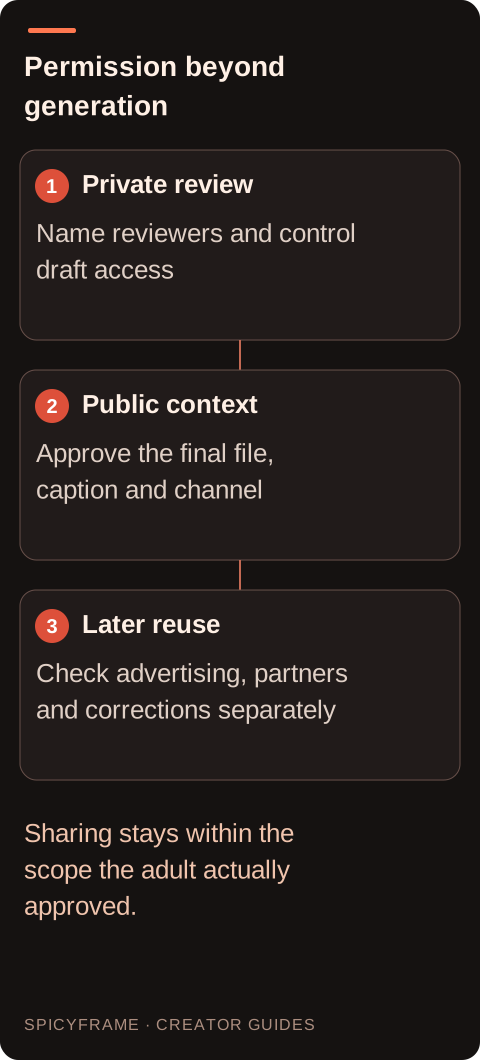
Private review: Name reviewers and control draft access. Public context: Approve the final file, caption and channel. Later reuse: Check advertising, partners and corrections separately. Sharing stays within the scope the adult actually approved.
Separate ordinary posts from paid and partner uses
Paid promotion, brand partnerships and client licensing can create a broader or more persistent association than a personal portfolio post. Agree on whether those uses are included, which brands or accounts may participate and how long the campaign may run. A collaborator's ability to download the MP4 does not establish permission to sublicense it or use it in their own advertising. Check the current platform rules for the specific placement as well as the subject's consent. The fashion video guide can help describe the non-explicit editorial purpose, but it does not grant distribution rights. Keep any commercial relationship accurate and do not invent an endorsement simply because the clothing or setting looks like a professional campaign.
Control review copies and external editing access
Share drafts only with people whose role requires them, using the access controls available in the chosen tool. Name files clearly so rejected versions do not get mistaken for approved masters. Agree on whether reviewers may download, forward or retain drafts, and explain any limits honestly. External editors may need source images, but not every recipient needs the full reference set. Avoid sending unnecessary personal details in filenames or project notes. The studio's storage toggle and deletion controls do not manage copies in messaging apps, shared drives or editing software. Keep a simple distribution list showing who received the source, draft and final file. That list makes later corrections more practical than relying on memory after several derivatives have circulated.
Preserve synthetic context when files travel
A label or explanation in the original post may disappear when someone shares only the MP4 or a captured frame. Decide which context should remain in the file itself, which belongs in accompanying text and which current platform controls are required. Add exact wording externally rather than relying on generated lettering. If the subject is fictional, avoid letting a detached clip imply a real person's identity or experience. If the subject is real, do not allow the reuse to imply an unapproved statement or event. The audio guide is relevant when narration or ambience changes the impression. Context should help viewers understand the work without disguising a use that is otherwise outside the agreed permission.
Prepare for corrections and removal requests
Agree on a contact path and a practical response when a caption is wrong, a garment changes in the clip or the depicted adult raises a concern. Identify the copies you control and the recipients who may need a corrected version. Remove or replace an unapproved public asset where required, but do not promise total recall of downloads or screenshots outside your control. A hypothetical campaign might keep a version log with publication dates and approved channels so a correction can be traced quickly. This is an operational aid, not a substitute for applicable rights or legal advice. Keep communication specific to the actual issue and avoid circulating the sensitive file more widely while trying to resolve it.
Perform a final permission check before publishing
Confirm the adult's approval of the exact version, the source-image license, any music rights and the intended channel. Watch the finished clip once more for coverage changes, identity drift or an unintended association that was missed during editing. The artifact guide can support this last visual review. Check the current publishing rules and preview the processed upload without treating acceptance as guaranteed. Save the final caption and approval with the master. If any material part of the context remains unresolved, keep the file in the review stage. A completed generation is a technical milestone; an approved public presentation requires its own evidence that the people, rights and intended use have been considered together.
Sharing AI glamour video: permission beyond creation: review decisions
Decision
Practical action
Approval evidence
Audience
Name who may view the clip
Private review and public use are distinct
Complete context
Approve caption, poster and sound
No unintended statement or endorsement
Commercial use
Specify ads, partners and duration
Client delivery is not blanket sublicensing
Review copies
Limit access to necessary collaborators
Drafts cannot be confused with final masters
Corrections
Record controlled copies and recipients
Removal promises match actual control
AI image-to-video questions answered
Does consent to generation include permission to post publicly?
Not automatically. Agree on the exact audience, channel and context separately, and obtain approval for the final video and accompanying presentation before moving a private experiment into public distribution.
Is an unlisted link the same as a private studio library?
No. Access and forwarding behavior depend on the external service. Explain who can open or share the link, and do not promise confidentiality that the tool or recipient agreement cannot provide.
Can my client reuse the clip in advertisements?
Only if the relevant licenses and consent cover that use. Paid promotion, brand association and sublicensing should be addressed explicitly rather than inferred from delivery of the final MP4.
Do captions and music need to be included in approval?
Yes when they affect the meaning or association. A different soundtrack, headline or brand link can turn a neutral fashion presentation into an implied statement or endorsement the subject did not authorize.
Can I guarantee complete removal after a video has been shared?
Usually you can control only certain copies. Remove or correct assets you manage as required and contact recipients, but be honest about downloads, screenshots and reposts outside your direct control.
What record should I keep with the final file?
Keep the approved version, source rights, subject permission, final wording and intended channels together. A simple version and distribution record helps distinguish authorized masters from drafts or later unapproved edits.