Two-model glamour video: keep both adults distinct
Plan a two-model glamour video with distinct adult reference roles, coordinated fashion poses and stable wardrobes, then review both identities in motion.
5 seconds · 480p · $3.99. Pay per video, no subscription required.
Updated
AI-generated editorial illustration: an adult fashion look in red city light. This is a styling reference, not a video-generation result.
Give two adult models distinct roles in the fashion image
An AI two models scene works when the viewer can recognize each adult and understand how their poses relate. Use authorized references of consenting adults in complete fashion looks, or clearly original fictional adult characters. Define the glamour through styling, light and composition rather than sexual interaction. Decide whether the models present complementary outfits, repeat one design in different colors or frame a shared editorial idea. That purpose affects spacing and movement. Two people simply placed in one frame do not automatically create a useful fashion composition. The brief should explain what each adult contributes while keeping their identities, garments and actions separate enough to review.
Choose a source set with clear identity ownership
Create a short mapping before uploading: adult A’s portrait, adult A’s outfit, adult B’s portrait and adult B’s outfit. Some images may serve more than one role if they are clear. SpicyFrame accepts up to 12 authorized JPG, PNG or WebP files under 10 MB each, but a smaller coherent set may be easier to interpret. The multiple reference guide explains mention syntax and role descriptions. @Image1 and similar labels do not guarantee identity or priority. Avoid adding a group image full of unrelated people when only two adults belong in the scene. Every extra face can make the intended cast less clear.
Coordinate the outfits without making them interchangeable
Shared colors or tailoring can unite the fashion direction, but each outfit should have an identifiable structure. For example, adult A may wear a navy blazer and adult B a gray coat, with both in neutral trousers. Record collars, sleeve lengths and accessories separately. If both outfits are almost identical, use clear face references and a composition that keeps the adults visually distinct. Do not rely on “left model” alone if the camera or subjects may change position. The fashion guide helps define garment priorities. For a two model brief, the additional requirement is ownership: each collar, bag and sleeve must stay with the correct adult throughout the clip.
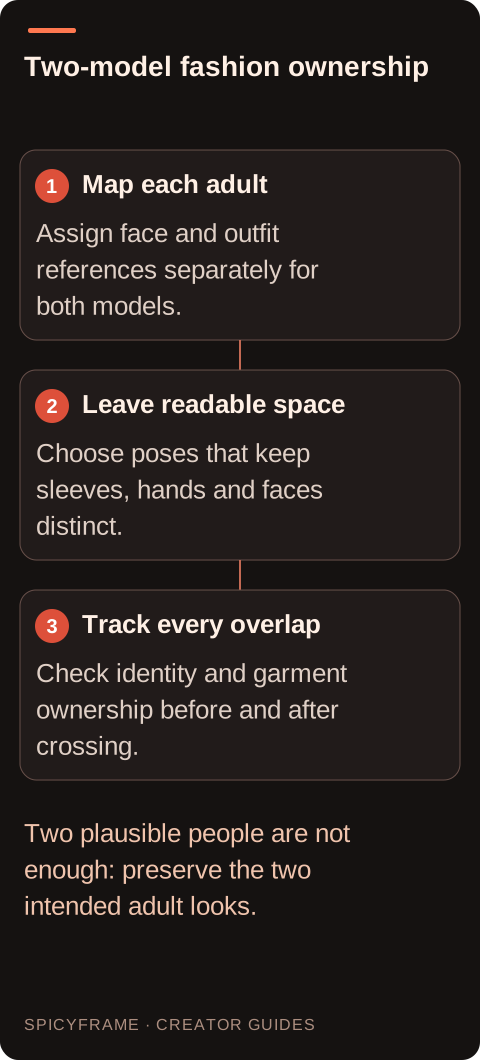
Map each adult: Assign face and outfit references separately for both models.. Leave readable space: Choose poses that keep sleeves, hands and faces distinct.. Track every overlap: Check identity and garment ownership before and after crossing.. Two plausible people are not enough: preserve the two intended adult looks.
Plan spacing before adding simultaneous movement
Side by side poses with a little space between sleeves are easier to inspect than tightly overlapping bodies. A slight depth stagger can create interest, but it may hide one person’s hands or outfit. Decide who is nearer the camera and keep that relation stable unless a change is central to the concept. Crossing paths introduces occlusion and can trigger identity swaps. A first test might keep one adult still while the other makes a small head turn, then both settle. The storyboard guide can document these roles. This is an editorial plan, not a set of exact timeline or position controls inside the generator.
Write one shared scene with separate actions
A proposed prompt might say: “Use @Image1 for adult A in the navy blazer and @Image2 for adult B in the gray coat. Both consenting adults stand side by side with clear space between their sleeves against a simple studio backdrop. Adult A makes a small head turn while adult B holds a relaxed pose, then both face forward. Soft side light, steady camera, quiet studio ambience.” The brief describes a nonsexual fashion study, not a guaranteed result. Avoid giving both adults several gestures at once. If the identities merge, simplify references and movement before adding more descriptive detail or a longer runtime.
A hypothetical paired tailoring campaign study
Imagine a designer has permission to animate two adult models wearing different tailored jackets. The proposed five second clip should show the contrast between a sharp lapel and a rounded collar. The source set includes one clear portrait and one outfit view per adult. The review note records which collar belongs to which face and requires visible separation between the shoulders. After generation, a reviewer checks adult A, adult B and then the space between them. If a sleeve becomes attached to the wrong body, the clip fails even if both faces look attractive. This example is a planning exercise, not a reported campaign result or a claim of guaranteed multi-person fidelity.
Review identity ownership at every overlap
Watch the moments when hair, arms or accessories cross another person’s outline. A brief overlap can conceal a face swap or garment transfer. Check each adult before and after that moment using the identity guide. Follow hands back to their own wrists and sleeves. Inspect relative height and scale, especially if one model stands farther from the camera. The lighting should also belong to one shared setup, with differences explained by position rather than unrelated color casts. A two model image is not successful simply because it contains two plausible people; it must contain the two intended adults with the intended clothing and relationship to the frame.
Approve the pair as a final composition
SpicyFrame delivers vertical 9:16 MP4 clips with ambient audio in 5, 10 or 30 seconds, at Medium 480p, High 720p or Ultra 1080p. Vertical framing can become crowded with two adults, so inspect the final crop at phone size. A short restrained study may communicate the fashion comparison more clearly than a long walk. Higher resolution does not fix swapped clothing or merged limbs. External editing can trim a stable segment or add approved titles, but the accepted excerpt must still fulfill the brief. Keep both adults’ permission scope and final captions aligned with the editorial use, and avoid claims that the generated scene documents a real joint shoot unless that is accurate.
Two-model glamour video: planning decisions
Choice
Use when
Acceptance check
Side by side spacing
Both complete fashion looks need equal attention
Sleeves and hands remain clearly separated
Slight depth stagger
The composition needs a little spatial interest
Scale stays plausible and neither outfit is hidden
Distinct outfit roles
A paired collection uses complementary garments
Each collar and accessory stays with its adult
One gesture at a time
Identity mapping needs a focused first test
The still adult does not inherit the moving adult’s action
Final paired review
The clip will represent both adults together
Both identities and the shared editorial context are approved
AI image-to-video questions answered
Do I need four reference images for two models?
Not necessarily. One clear image per adult may explain both identity and outfit, while separate views can help when needed. Use a coherent set with explicit roles rather than filling all available reference slots by default.
Can the models wear matching outfits?
Yes, but similar clothing makes identity and garment ownership harder to track. Use strong face references, clear spacing and stable positions. Review each adult’s accessories, sleeves and features separately throughout the clip.
Why do faces swap when models cross?
Occlusion can make the identity mapping ambiguous as one person passes in front of the other. Avoid crossing paths in the first test, reduce movement and inspect the frames immediately before and after any overlap.
Should both adults move at the same time?
Only when the action needs it. Giving one adult a small gesture while the other remains still can make the first test easier to diagnose. Add coordinated motion after the shared composition and identity roles are clear.
Does left and right wording guarantee position?
No. It can clarify the intended composition, but camera movement and generation may change positions. Pair spatial labels with explicit reference roles and distinctive outfit descriptions, then review the actual output.
Can I crop out one model after approval?
Cropping changes the composition and possibly the agreed use. Review the final version against the brief and permission scope. A two model concept should not quietly become a different portrait or imply an endorsement the remaining adult did not authorize.