Plan AI virtual model casting with original adult characters, a clear fashion brief and consistent reference tests, then compare identity and wardrobe.
5 seconds · 480p · $3.99. Pay per video, no subscription required.
Updated
AI-generated editorial illustration: an adult fashion look in red city light. This is a styling reference, not a video-generation result.
Cast an original adult character for a specific fashion role
AI virtual model casting means selecting a fictional adult design that suits a defined editorial or product presentation. It is not a search for a famous person to imitate or a guarantee that one generated face will stay identical forever. Start with the garment, audience context and visual role the character must serve. A quiet tailoring portrait needs different reference evidence from a full outfit walk. Keep every candidate clearly adult, original and fully clothed in the approved style. This guide focuses on evaluating source designs and continuity, rather than making claims that a virtual model replaces real people or delivers a particular commercial result.
Write casting criteria that can be inspected
Define practical criteria such as clear facial features at the intended crop, readable hair against the backdrop, a pose that supports the outfit and a design that remains distinct from other characters in the campaign. Avoid a vague contest for the most attractive image. Decide what diversity and representation goals belong to the brief without reducing a character to a stereotype. Keep the criteria relevant to the work: a collar study may need a clean shoulder view, while a full length fashion shot needs clear garment proportions. The fashion guide helps connect visual requirements to the intended clip instead of treating casting as a separate beauty exercise.
Verify originality and permitted source use
Use character images you created or are authorized to transform. Do not build a candidate set from celebrities, private acquaintances or unrelated online portraits without appropriate rights and consent. A fictional label does not erase an identifiable real person’s likeness. Review candidates for obvious resemblance that could mislead viewers about who appears. Keep a simple provenance record describing where each source came from and what use is allowed, without collecting unnecessary personal data. If rights are uncertain, resolve them before generating a campaign test. These are practical production steps, not a complete legal clearance process; applicable terms and context may require additional review.
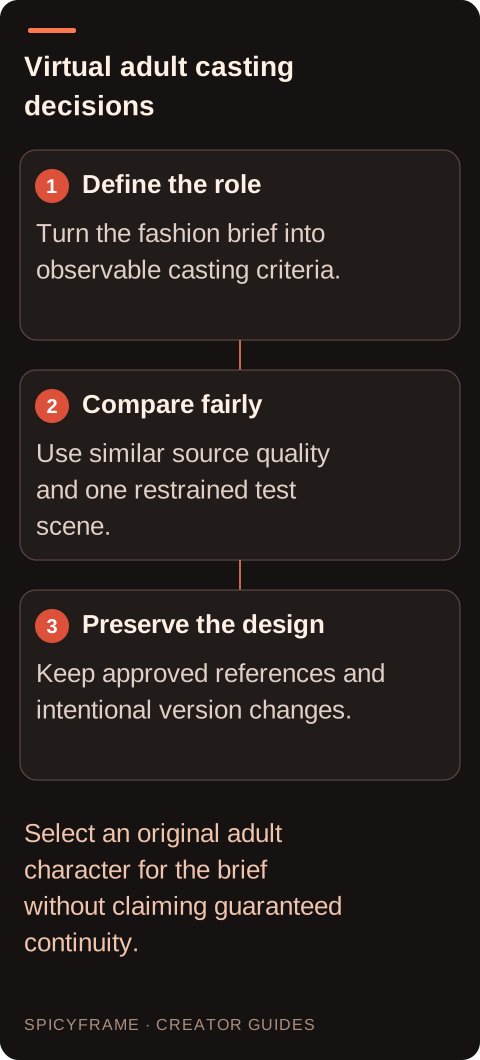
Define the role: Turn the fashion brief into observable casting criteria.. Compare fairly: Use similar source quality and one restrained test scene.. Preserve the design: Keep approved references and intentional version changes.. Select an original adult character for the brief without claiming guaranteed continuity.
Prepare the same evidence for each candidate
A fair comparison needs similar source quality and shot conditions. Give each fictional adult a clear portrait and an outfit view that supports the same planned action. A candidate with a sharp well lit image should not be compared casually with another shown only in a blurred profile. The multiple reference guide explains how to name identity and outfit roles. Mentions such as @Image1 clarify the mapping but do not create permanent character controls. Keep the number and purpose of references comparable so you can judge the design and its suitability without confusing those factors with inconsistent preparation.
Use one small test scene across the shortlist
Choose a restrained five second action that reveals the requirements: a small head turn for portrait identity, or a gentle step for a complete outfit. Keep light, camera and background as similar as practical. The system can vary even when the prompt is repeated, so one result is not a scientific ranking of candidates. Record what you observe in each clip: face drift, hair instability, garment change and whether the intended expression reads. The identity guide offers useful checks. Do not score a candidate solely by the first frame; the casting role is for a moving image, so continuity through the action matters.
A hypothetical three candidate casting exercise
Imagine a small fashion brand has three original adult character designs for a neutral coat editorial. The brief requires a readable collar, calm expression and clear separation from a gray backdrop. Each candidate receives a matching portrait and coat view, then the same proposed short head turn in soft side light. The reviewer records whether the face remains recognizable and whether hair covers the collar at the key moment. One candidate may need a different hairstyle or source crop rather than being inherently unsuitable. This example is a proposed comparison method, not a benchmark, a report of actual renders or proof that a particular appearance performs better with customers.
Select a design and build a continuity package
Once a candidate fits the brief, preserve the approved source files, a concise identity description, the outfit record and a few accepted comparison frames. Keep rejected versions separate so they are not accidentally uploaded into later scenes. A virtual model does not become a persistent trained identity simply because you saved the package. Reuse it as evidence and review every new result. The storyboard guide can help plan later character scenes, while this casting package keeps the visual design traceable. Record changes intentionally: a new haircut or outfit should have a version note rather than silently replacing the source used by an ongoing campaign.
Choose an honest commercial and publication context
SpicyFrame supplies vertical 9:16 MP4 with ambient audio in 5, 10 or 30 seconds, at Medium 480p, High 720p or Ultra 1080p. Set an attempt budget before testing many candidates; additional generations cost money and do not guarantee usable results. A completed clip you dislike is not automatically a confirmed failed render eligible for credits or a refund. Describe the selected model as fictional or AI generated where viewers could otherwise mistake it for a real person. Avoid invented testimonials, personal experiences or factual product claims attributed to the character. Approve the final output and context together so the casting decision remains connected to the actual fashion brief.
AI virtual model casting: planning decisions
Choice
Use when
Acceptance check
Defined fashion role
The shortlist should solve a specific visual need
Criteria connect to framing, garment and movement
Original adult sources
The cast must avoid impersonation and age ambiguity
Provenance and fictional adult identity are clear
Comparable reference sets
Candidates will be evaluated in one test scene
Source quality and role mapping are reasonably consistent
Shared short action
Continuity matters more than a polished still
Face, hair and outfit remain useful through movement
Versioned continuity package
The chosen design will appear in later clips
Approved sources remain separate from rejected variants
AI image-to-video questions answered
Can I cast a celebrity lookalike as a fictional model?
Do not use fictional labeling to impersonate a famous person or borrow an identifiable likeness without authorization. Build an original adult design and review how the final image and caption could be understood by viewers.
What makes a useful casting criterion?
A criterion should connect to the shot, such as readable face at the crop, clear collar visibility or stable hair during a turn. Vague attractiveness rankings do not explain whether a candidate can serve the intended fashion presentation.
Is one test clip enough to rank candidates?
One clip provides limited evidence and generation can vary. Use it as a focused editorial observation, not a scientific performance score. Record the source quality and any unrelated changes so the comparison does not overstate what was learned.
Will the selected virtual model stay identical?
No persistent identity guarantee is assumed. Keep an approved reference package and review each new generation. A saved character description helps your workflow but does not lock face, wardrobe or proportions across separate orders.
Should all candidates use the same outfit?
A shared or closely comparable outfit can make a casting test easier to interpret when the garment is not the variable. Use authorized original assets and ensure each source actually supports the look rather than forcing incompatible references together.
Can the fictional model give a product testimonial?
Do not present invented personal use or experience as factual testimony. A virtual character can appear in a clearly framed creative campaign, but claims about a real product need appropriate evidence independent of the generated persona.