AI male glamour video: portrait, style and movement
Plan an AI male glamour video with adult fashion references, natural expression and stable tailoring, then review identity, grooming and garment motion.
5 seconds · 480p · $3.99. Pay per video, no subscription required.
Updated
AI-generated editorial illustration: an adult fashion look in red city light. This is a styling reference, not a video-generation result.
Define male glamour through the individual adult’s style
An AI male model video can be a polished adult fashion portrait built around tailoring, grooming and a recognizable expression. Use authorized images of a consenting adult or an original fictional adult character. Avoid assuming that every male glamour brief needs the same severe expression, body shape or dramatic pose. A relaxed smile, a thoughtful profile or a quiet full outfit study can each fit a different person and campaign. Keep the subject fully clothed and the action nonsexual. The useful starting question is what this adult’s specific style communicates, and which movement reveals it without changing their face or turning their body into a generic ideal.
Choose references that preserve face and grooming detail
A clear portrait should show the hairline, eyebrows, facial hair if present and the shape of the jaw without heavy filters. If the adult wears glasses, include a view where the frame is visible and not lost in glare. A wider outfit image can explain shoulders, jacket length and trouser shape. Keep the sources consistent in age, hairstyle and grooming unless a change is explicitly part of the approved concept. The portrait guide helps with basic image choice. For this task, distinctive grooming features are useful identity cues, but they should not replace a broader comparison of the whole face throughout the animation.
Treat tailoring as structure rather than decoration
A suit or jacket contains edges that reveal continuity problems: lapels, shoulder seams, buttons, pockets and cuffs. Record the two or three features most important to the brief. A small shoulder turn can show the jacket’s shape, while an intricate tie adjustment adds fingers and fabric contact that may be harder to render. If the source shows casual knitwear instead of tailoring, check collar shape, sleeve cuffs and the fabric pattern. The fashion guide explains general garment review. Do not describe generated drape or fit as proof of a real product’s performance. Use accurate product evidence when a commercial claim depends on exact construction or sizing.
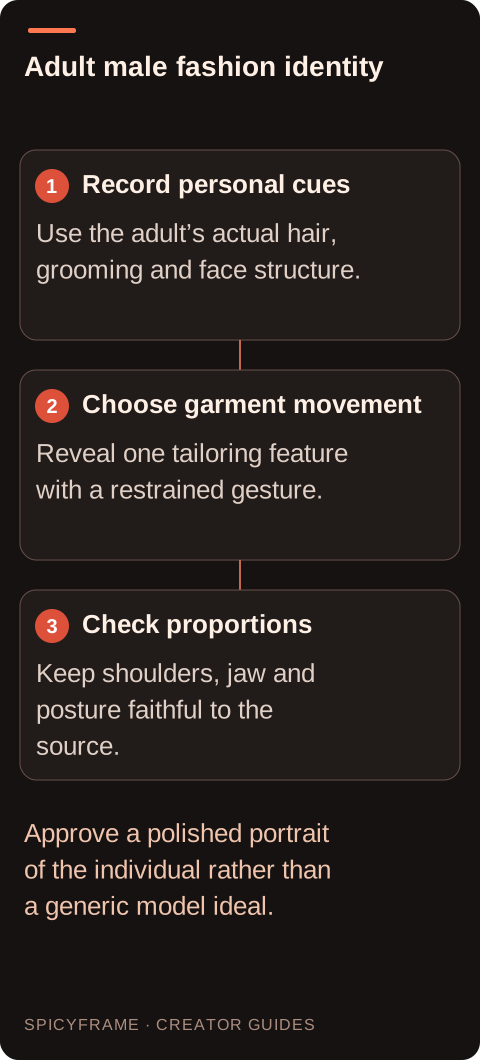
Record personal cues: Use the adult’s actual hair, grooming and face structure.. Choose garment movement: Reveal one tailoring feature with a restrained gesture.. Check proportions: Keep shoulders, jaw and posture faithful to the source.. Approve a polished portrait of the individual rather than a generic model ideal.
Choose an expression without enforcing a stereotype
Ask for a visible expression that the adult approves, such as a small relaxed smile or a calm neutral look. Vague requests for dominance, perfection or a more masculine face can encourage an identity change rather than a useful animation. A glamour portrait does not need to exaggerate the jaw or broaden shoulders to be effective. Keep the adult’s proportions and distinctive traits as review priorities. If the output changes them unexpectedly, reject or revise it even if the image looks conventionally polished. The identity guide can help compare eyes, hairline and facial structure across the opening, action and ending moments.
Use light to explain the face and outfit together
Soft side light can give a face depth while preserving fabric detail. A narrow rim may separate a dark jacket from the background, but deep shadows can hide facial drift or merge sleeves with the torso. Choose the light around the actual adult and outfit rather than a stock dramatic formula. The lighting guide helps define key, fill and background separation. Keep the source direction stable during movement. Facial hair and textured fabric can shimmer under changing highlights, so inspect them carefully. A request for a stronger jaw shadow should not become permission to reshape the jaw itself; light and identity are different parts of the brief.
A hypothetical tailored portrait study
Imagine a consenting adult has a navy suit portrait with a close haircut and round glasses. The proposed five second prompt uses @Image1 for the face and suit, soft window light from the left, a small shoulder turn and a relaxed smile. The acceptance note names the glasses, beard line if present, lapel shape and button position. A reviewer watches the whole clip, then checks those details during the turn. If the shoulders widen or the glasses become a different shape, the result fails the intended identity brief. This is a proposed decision process, not a tested render or evidence that a particular look produces better audience engagement.
Review hands, posture and personal proportions
Fashion gestures often involve a cuff, pocket or jacket edge. Follow the hand through the action and confirm that fingers remain attached and the sleeve does not change length. Check posture without treating every natural asymmetry as a defect. A real adult may have a distinctive stance or facial feature that belongs to their identity. The review should preserve the agreed appearance, not quietly standardize it. If the source is a fictional adult, apply the same consistency principle to the original design. Compare the result with the reference rather than with a generic model ideal. Keep notes specific, such as “left lapel folds into a new shape,” so a revision has a clear purpose.
Deliver the approved portrait with accurate claims
SpicyFrame generates 5, 10 or 30 second vertical 9:16 MP4 clips with ambient audio at Medium 480p, High 720p and Ultra 1080p. A short portrait study is often enough to test expression and tailoring. Resolution adds detail but does not guarantee identity or exact clothing. Listen to the generated sound, and handle titles, music or detailed finishing in an external editor. Keep the final caption aligned with the adult’s approved fashion use and disclose AI treatment where it could otherwise suggest an ordinary recorded shoot. Do not claim the clip proves the subject’s real activity, body change or a garment’s exact fit. The finished piece should remain recognizably theirs.
AI male glamour video: planning decisions
Choice
Use when
Acceptance check
Relaxed portrait expression
The adult’s personal style should lead
Face remains recognizable without generic reshaping
Small shoulder turn
Tailoring needs a little dimensional movement
Lapels, buttons and shoulder width stay consistent
Clear grooming reference
Hair, glasses or facial hair define the look
Distinctive cues remain stable during the gesture
Soft side light
Face and fabric both need readable form
Shadow direction stays coherent across the outfit
Specific revision note
A candidate misses the approved brief
The next change targets an observed detail rather than an idealized body
AI image-to-video questions answered
Does male glamour require a serious expression?
No. The expression should suit the adult and the approved fashion concept. A small smile or relaxed neutral look can work well. Avoid generic instructions that change facial identity to fit a stereotype of how a male model should appear.
Can I ask for broader shoulders or a sharper jaw?
For a recognizable portrait of a real adult, do not quietly reshape their body or face. Agree on any intended alteration explicitly and consider whether it misrepresents them. This workflow prioritizes their existing proportions and style.
What should I check in facial hair?
Watch the outline, density and connection to the face during movement. Facial hair can shimmer or change shape under generated light. Compare it with the source along with eyes, hairline and jaw rather than treating it as the only identity cue.
Is a tie adjustment a good first action?
It can be useful when the tie is central, but it adds detailed hand and fabric contact. A small shoulder turn or head movement is a simpler first test for identity and tailoring before introducing a more complex gesture.
Can this show exact suit fit?
A generated clip may alter drape, proportions and construction. Use appropriate real product or fitting evidence for exact claims. Treat the AI fashion portrait as an editorial interpretation unless each factual detail has been independently supported.
Does dark dramatic lighting hide problems?
It can make errors harder to notice during quick playback. Review shadow areas, sleeves and facial structure carefully, and keep enough fill to inspect important details. A hidden inconsistency is still an inconsistency in the approved portrait.