5 seconds · 480p · $3.99. Pay per video, no subscription required.
Updated
AI-generated editorial illustration: an adult fashion look in red city light. This is a styling reference, not a video-generation result.
Read Pika's actual policy rather than a slogan
Pika NSFW policy searches often ask for a simple yes or no, but the current official Acceptable Use Policy contains several separate rules. Reviewed on October 8, 2026, it prohibits nonconsensual sexual content, child exploitation, unlawful or obscene material, and other specified harmful uses. It also restricts unauthorized likeness uploads and explicitly prohibits attempts to bypass AI filters or moderation systems. The source does not justify calling Pika an unrestricted generator, nor should it be reduced to an invented blanket ban on every adult fashion photograph. For a glamour project, evaluate the actual reference, requested transformation, and publication context together. This guide focuses on non-explicit, non-erotic adult editorial work and reports the documented rules without claiming a live acceptance test or offering evasion techniques.
Start with the portrait-specific restrictions
Pika's policy has a dedicated section on photographs and portraits. It says not to upload photographs, portraits, or other likenesses of real individuals without their express consent, and requires the necessary rights, licenses, and consents. It also says not to upload images that depict or appear to depict people under 18, or unauthorized celebrity likenesses and copyrighted photographs. This is more specific than simply asking whether your prompt says adult. Choose references whose adult fashion context is clear and whose ownership is documented. If the image belongs to a photographer, obtain the relevant license as well as the subject's permission. A fictional character should not be used to imply an unauthorized real-person endorsement. These checks come before any decision about camera movement or clothing style.
Define the editorial purpose clearly
For a permitted fashion test, describe the garment and presentation rather than asking for a sexualized transformation. An adult model in an opaque tailored outfit can make a small turn to show sleeve construction, while the camera remains steady and the light stays consistent. The goal is to communicate fit, fabric, and styling. This clarity is useful for the creative brief; it is not a guarantee that a provider will accept every image. If a scene includes ambiguous age cues, replace the reference with a clearly adult subject instead of relying on a label. Our fashion-video guide helps turn a broad glamour idea into a production objective. Keep any client-facing promise limited to the features and content scope that the actual selected Pika tool supports.
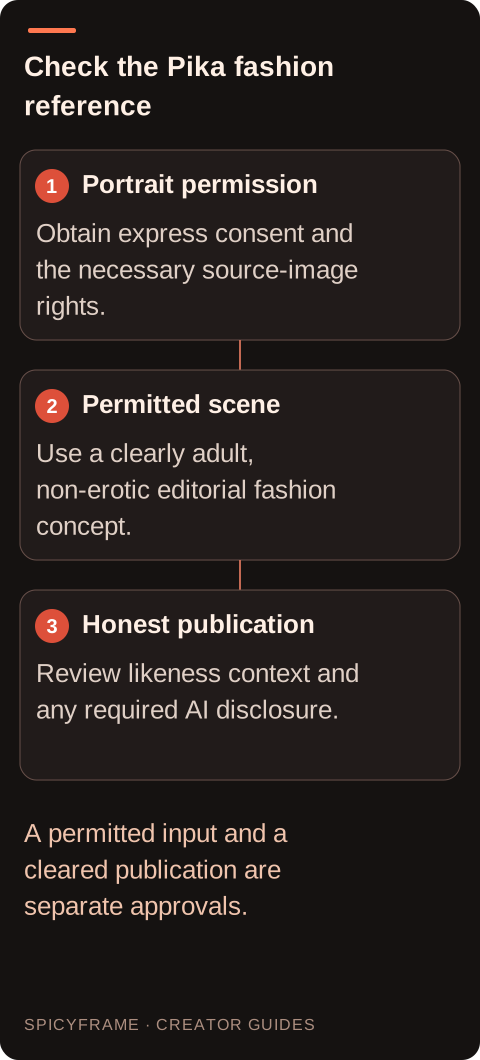
Portrait permission: Obtain express consent and the necessary source-image rights.. Permitted scene: Use a clearly adult, non-erotic editorial fashion concept.. Honest publication: Review likeness context and any required AI disclosure.. A permitted input and a cleared publication are separate approvals.
Distinguish consent from content permission
Express consent is necessary for real-person likeness uploads under Pika's stated policy, but consent is not a universal override for all content restrictions. The policy also addresses nonconsensual sexual content, obscenity, impersonation, privacy, and other prohibited material. A signed release does not establish that any requested scene is allowed by the platform. Likewise, a permitted scene does not establish that you own the source image. Keep these two decisions in separate records: whether you may use the person and photograph, and whether the provider allows the proposed generation. The safety guide offers a broader permission framework. For an adult glamour campaign, document the intended publication channels so that the subject understands the difference between a private creative test and a public advertisement.
Handle a rejection without bypass attempts
If a request is moderated, read the exact message and preserve the job details. The policy explicitly prohibits circumventing filters or safeguards, including AI moderation systems. Do not use spelling tricks, hidden instructions, or disguised references to submit the same prohibited concept. If you believe the request was ordinary permitted fashion, ask the provider for clarification through its documented support route. Alternatively, change the actual concept to an unambiguous clothed editorial scene. A technical error, an input restriction, and an account action can require different responses, so avoid treating every failure screen as a content-policy verdict. No claim is made here about a guaranteed appeal outcome or automatic credit return. Check Pika's current billing and support terms for the particular event rather than applying another service's rules.
Review the output for misleading likeness use
Pika's policy addresses impersonation and misleading content and requires disclosure that deepfake output has been artificially generated or manipulated. For a fashion campaign, consider whether viewers could wrongly believe a real person wore, endorsed, or demonstrated a product. Permission and appropriate disclosure should match the final use. Review facial features and wardrobe throughout the clip rather than approving only the thumbnail. The portrait animation guide explains practical framing choices, but generation cannot guarantee perfect likeness. If the output changes the person or garment materially, do not present it as an exact documentary record. Keep a client approval step for claims implied by the scene, including any apparent product endorsement or performance demonstration that was not present in the original photograph.
Assess private references independently
A content-policy page does not answer every question about storage, training, sharing, or deletion. Read the privacy documentation and settings for the specific service and account you plan to use before uploading private adult portraits or unreleased campaign images. Do not assume that a hidden project is processed locally or that deleting a draft instantly reverses all prior processing. Our privacy guide separates those concepts. If comparing with SpicyFrame, its storage-off option prevents library and draft saving while generation still requires processing. SpicyFrame accepts authorized references and generates through Seedance 2.5 via Segmind; that is a distinct data path and product contract. Evaluate each service against the client's actual confidentiality requirements rather than choosing based on an ambiguous private-mode label.
Choose a workflow that fits the permitted brief
Once the content and reference rights are clear, compare practical deliverables: output format, duration, sound, resolution, cost, and any editing required. Verify Pika's current selected model and offer rather than assuming every tool listed on its website has the same capabilities. SpicyFrame's separate workflow produces vertical 9:16 MP4 clips with ambient audio in 5, 10, or 30 seconds at 480p, 720p, or 1080p. It supports guest one-off purchases and optional weekly plans, but not explicit sexual content, voice cloning, or guaranteed scripted lip-sync. The useful choice is the service that meets the authorized adult fashion brief under clear terms. Keep the final approval record and revisit the policy when launching a new campaign, especially if the subject, wardrobe, or publication context changes.
Pika policy checkpoints for adult fashion references
Decision
Published policy context
Production action
Real-person portrait
Express consent and relevant rights required
Keep source license and subject authorization
Apparent age
Under-18 likeness uploads are restricted
Select a clearly adult reference
Moderation
Filter bypass is prohibited
Ask support or revise the actual concept
Public likeness use
Impersonation and disclosure rules apply
Approve context and AI disclosure
Private source material
AUP is not the full privacy contract
Review data handling before upload
AI image-to-video questions answered
Does Pika's current policy mean every adult fashion image is banned?
The reviewed policy does not support that blanket statement. It contains specific content, consent, likeness, and other restrictions. Evaluate the actual permitted editorial brief under the current rules.
Can I upload a real person's portrait without asking?
Pika's portrait section requires express consent and necessary rights, licenses, and consents. It also restricts unauthorized celebrity likenesses and copyrighted photographs, so source ownership matters as well.
What does the policy say about under-18 references?
The reviewed portrait section says not to upload images that depict or appear to depict individuals under 18. Use clearly adult authorized references for the fashion workflow discussed here.
Does consent override every NSFW restriction?
No. Consent and content permission are separate. A subject's authorization does not remove the policy's other restrictions, and platform acceptance does not establish that you own the photograph.
Can I reword a rejected request to evade moderation?
No. Pika's policy explicitly prohibits bypassing filters and moderation systems. Seek clarification or change the actual creative concept to a permitted one instead of concealing the same request.
What should I check before publishing a likeness video?
Confirm permission, source rights, accurate context, and required AI disclosure. Inspect the entire clip for changed identity or garment details and avoid implying an endorsement that was never authorized.
Sources
External pages, opened in a new tab. Rankings reflect the time of writing.