Build an adult fashion model portfolio video with clear synthetic context, authorized likenesses, accurate production credits and a clear review process.
5 seconds · 480p · $3.99. Pay per video, no subscription required.
Updated
AI-generated editorial illustration: an adult fashion look in red city light. This is a styling reference, not a video-generation result.
Decide what the portfolio is evidence of
An AI model portfolio video can demonstrate visual direction, styling concepts or an authorized adult model's presentation, but it should not pretend to document work that never occurred. Write the intended claim first. A hypothetical designer might show an original fictional adult character in three eveningwear concepts as evidence of art direction. A real model might approve an animation of a licensed portrait as an experimental presentation. Neither example proves that a physical shoot, runway performance or client campaign took place. Keep the portfolio non-explicit and focused on adult fashion. The reader should understand what you actually contributed, what was generated and which aspects of the image are reliable evidence of real experience or appearance.
Separate a real model from a fictional character project
For a real adult, preserve the distinction between current photographs, actual filmed footage and generated motion. Do not use an altered silhouette or face as the only evidence of the person's appearance. Obtain consent for the AI transformation and the portfolio audience, including recruiters, clients or public visitors as applicable. For a fictional adult character, avoid a biography that implies a real agency contract, age-verification identity or employment history. The identity consistency guide can help with visual coherence, but consistency does not make a fictional character a real professional. Label the project accurately where that distinction matters, and keep genuine credits separate from invented narrative details used within the creative concept.
Choose a small coherent set of looks
Build the portfolio around a visual argument rather than a collection of unrelated attractive clips. A hypothetical eveningwear study might compare a structured jacket, a flowing coat and a monochrome tailored set under consistent lighting. Use authorized references and make each look's purpose clear. Avoid mixing different real models in a way that suggests they are one person. The fashion video guide can help define garment-focused shots without erotic framing. Keep enough visual consistency that viewers can compare styling choices, while allowing each look a distinct silhouette or color relationship. If a garment is fictional, describe it as a concept; if it is real merchandise, check construction and branding against accurate photographs rather than trusting generated detail.
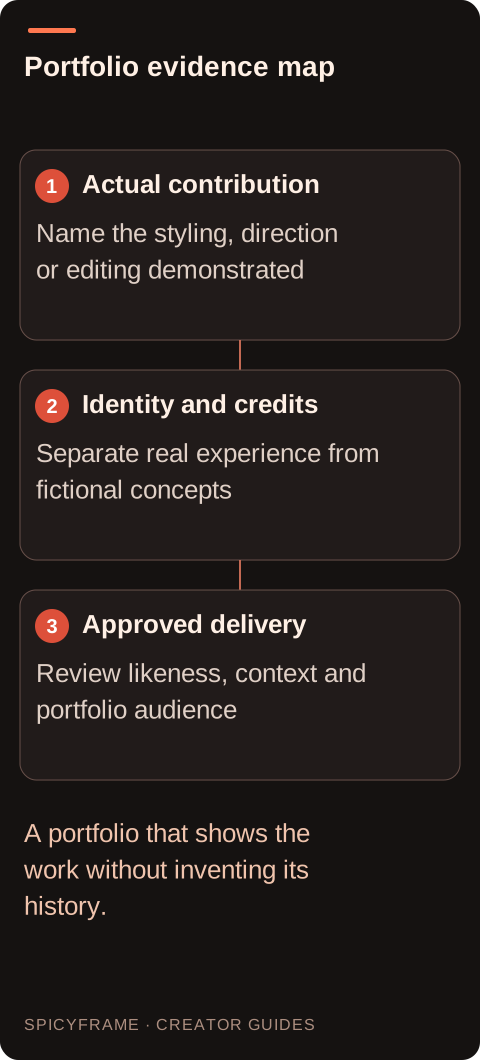
Actual contribution: Name the styling, direction or editing demonstrated. Identity and credits: Separate real experience from fictional concepts. Approved delivery: Review likeness, context and portfolio audience. A portfolio that shows the work without inventing its history.
Plan movement around the skill being demonstrated
If the portfolio demonstrates lighting design, a restrained camera move may be enough. If it demonstrates editing, show the actual external sequencing and explain your contribution. Do not claim live acting, dance ability or runway skill from generated movement. A real adult model can approve an illustrative pose transition, but the portfolio should not present that transition as evidence of their physical performance. Use the storyboard guide to map opening, detail and ending shots before spending on separate clips. Avoid asking one generation to change outfits, locations and identity repeatedly. A small set of clear scenes is easier to review and credit accurately than a complicated montage whose production method is hidden.
Write credits that describe the actual workflow
Identify the source photographer or illustrator where the agreement requires it, the stylist or designer where relevant, and the role of generated motion and external editing. Do not invent a client name, publication placement or campaign result to make a concept look commissioned. A hypothetical project can be labeled as such without weakening its value as a design exercise. Exact titles, credits and contact details should be added externally because generated typography is unreliable. If music is used, verify its license for portfolio display and any downloadable version. Keep descriptions specific: explain the color, composition or motion decision you made rather than claiming broad creative mastery from a clip whose important elements came from an uncredited source.
Budget portfolio trials around the claimed creative skill
Choose a short test that reveals the skill the project claims to demonstrate. A five second Medium 480p clip costs $3.99 and may be enough to assess the lighting or silhouette decision. SpicyFrame also generates 10 or 30 second vertical 9:16 MP4 clips with ambient audio, with High 720p and Ultra 1080p options for approved work. It does not assemble the portfolio sequence, write accurate credits or produce a real filmed performance. Add titles, contact details and production context in an external editor. References must be authorized JPG, PNG or WebP images under 10 MB each, up to 12. Keep the draft history when it helps explain a genuine design decision, but do not invent a successful experiment from rejected outputs. The final portfolio should show the reviewed result and an accurate account of your contribution. Paying for a larger file does not supply missing rights, client credits or evidence of a real shoot.
Review likeness and presentation with the relevant people
Watch each clip in full and compare it with the approved references. Check face shape, hands, garment coverage and accessories. A model's recognizable appearance should not drift into a different identity, and a fictional adult character should not resemble an unauthorized real person in a misleading way. Use the artifact guide to catch recurring errors. Ask the model and relevant collaborators to review the actual final edit, credits and intended audience. A portfolio can affect professional reputation even when it contains no explicit material. Record which version was approved and whether downloadable files, social promotion or paid advertising are included. Do not infer those permissions from approval of a private preview.
Deliver a portfolio that remains honest outside its page
Prepare a useful poster, readable project title and concise description for each clip. If a file is downloaded or shared separately, preserve essential synthetic context and credits where practical. Check the current requirements of the hosting platform and test the processed playback on a phone and a larger screen. Keep real filmed work and AI concept studies clearly distinguishable within the portfolio structure. Save the master, source rights and approved description together so a future revision does not detach the clip from its context. Avoid promising bookings, agency acceptance or commercial rights from the format. A strong portfolio makes the work easy to assess by accurately showing the creator's decisions, the source of the imagery and the limits of what the animation demonstrates.
AI model portfolio video: show the look honestly: review decisions
Decision
Practical action
Approval evidence
Portfolio claim
State what the work actually demonstrates
No invented physical performance or commission
Identity
Distinguish real adult from fictional character
Biography and imagery agree
Look selection
Give each outfit a clear visual purpose
References remain coherent and authorized
Credits
Describe actual contributors and methods
No false client or publication claim
Distribution
Approve page, downloads and promotion
Synthetic context remains with the work
AI image-to-video questions answered
Can an AI portfolio clip prove that I performed a runway walk?
No. Generated movement is not evidence of physical performance. Use real footage for that claim and describe AI animation as an illustrative or experimental presentation when that is its actual role.
How should I label a fictional adult model project?
Make its fictional and synthetic nature clear where viewers assess identity and experience. Do not attach real-world employment, agency representation or client credits that the character or project does not have.
Can I use a commissioned portrait in the portfolio animation?
Check the photographer's license and the depicted adult's consent for transformation and distribution. Commissioning a still image does not automatically settle every derivative, credit or commercial-use question.
Should I include accurate unaltered photographs too?
For a real model's professional presentation, reliable current imagery helps viewers assess actual appearance. Keep that evidence distinguishable from generated motion rather than letting a synthetic clip imply documentary accuracy.
What credits belong on a concept project?
Credit the actual contributors and production methods according to their agreements. Explain your real role in styling, direction or external editing, and avoid invented clients, publication placements or campaign results.
Does a private portfolio review authorize public promotion?
Not automatically. Agree on audience, downloadable copies, social use and advertising separately, then have the relevant people approve the final edit and description for the intended distribution.