NSFW-style AI consent: agree on the transformation
Agree on non-explicit adult glamour transformations with a clear consent checklist covering likeness, clothing, motion, review, storage and sharing scope.
5 seconds · 480p · $3.99. Pay per video, no subscription required.
Updated
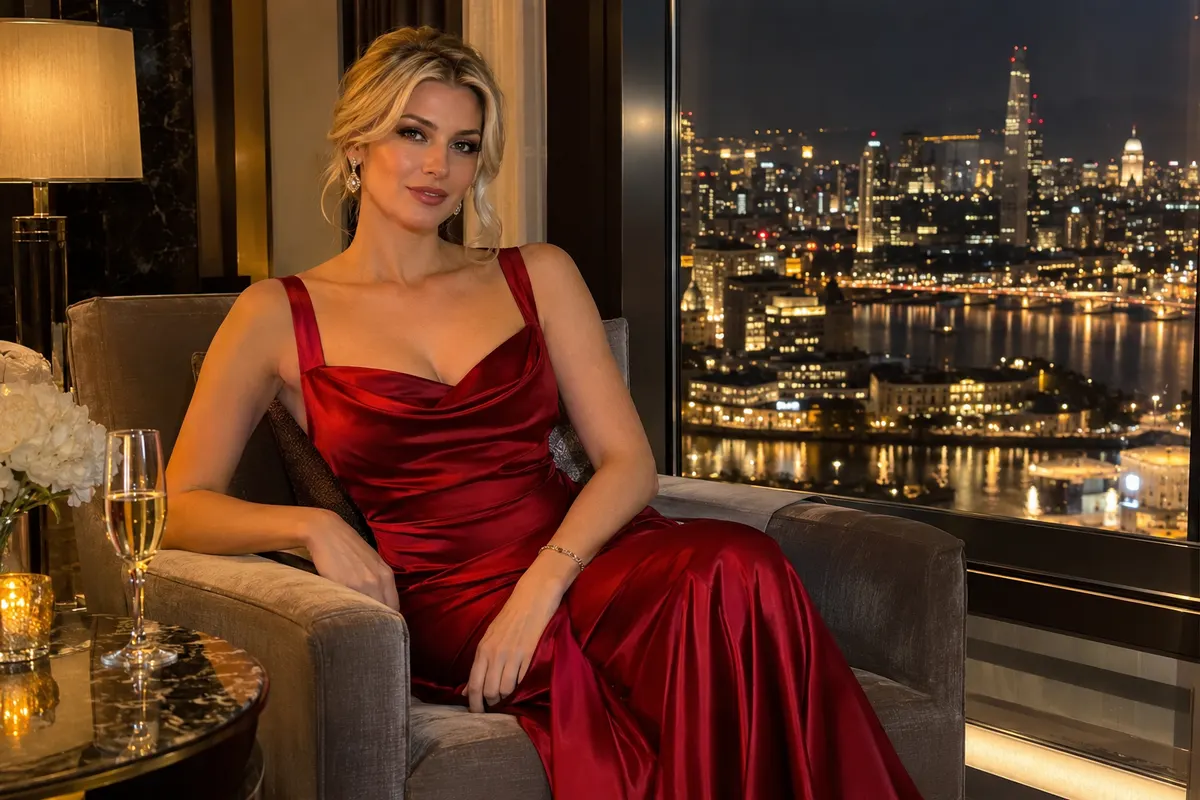
AI-generated editorial illustration: a red satin evening look and warm lounge lighting. The photograph illustrates a fashion brief, not a tested video output.
Agree on the actual transformation, not just the file
NSFW-style AI consent should describe the non-explicit adult glamour or fashion treatment being proposed. Permission to hold a photograph is not permission to animate the person in any context. Begin with a plain description of the outfit, pose, background, movement and intended audience. A hypothetical adult model might approve a licensed eveningwear portrait becoming a short editorial camera move for a private portfolio review. That does not automatically authorize a different outfit, a more revealing crop, a public advertisement or a fictional spoken endorsement. Keep the discussion specific enough that the person can understand what may change. If the planned treatment changes materially, return to the agreement before generating or sharing the new version.
Confirm adulthood and authority without collecting excess data
Every identifiable real person used in SpicyFrame must be an adult who agreed to the proposed transformation, including any sensitive or suggestive context. Do not proceed when age or authority to consent is uncertain. At the same time, avoid collecting unnecessary identity documents merely to make a creative checklist look formal. Use an appropriate existing professional verification and agreement process where available, and keep only what is needed for the actual project. A group image requires attention to every identifiable adult, not only the person commissioning the video. The privacy guide explains why a user declaration does not independently verify another person's consent. Never treat a checkbox in the studio as a replacement for the real conversation and authorization.
Describe clothing, framing and movement in concrete terms
Show the proposed source crop and describe the intended action without vague phrases such as “anything glamorous.” For a non-explicit fashion portrait, specify that clothing coverage remains unchanged, the camera stays within the agreed framing and no undressing or sexual action is requested. Explain that generated details can drift despite instructions. A person may be comfortable with a slow camera move but not with a simulated walk, altered expression or intimate close-up. The storyboard guide can turn those choices into a simple visual plan. Include any external overlays, names or voice material, because they can change the meaning of the image. Agreement on a silent styling study is not agreement on a fabricated personal message.
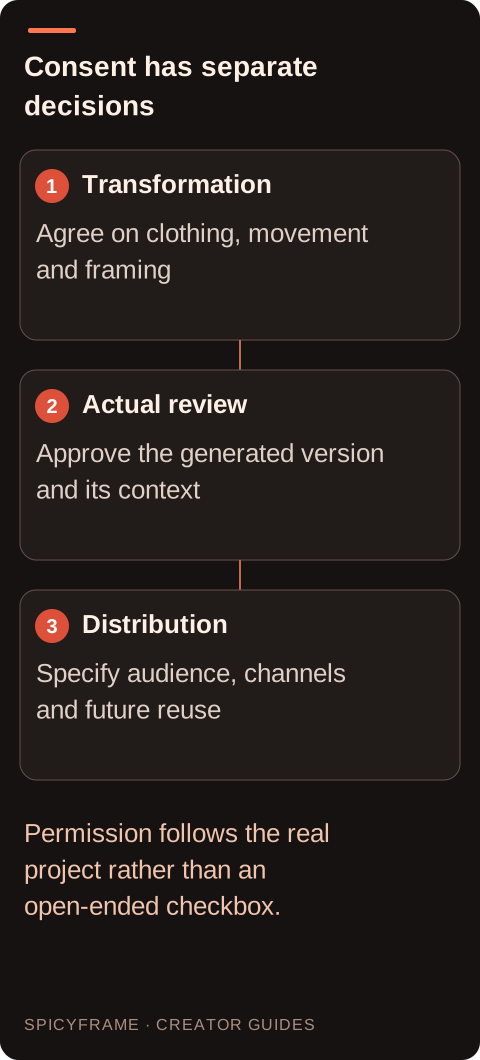
Transformation: Agree on clothing, movement and framing. Actual review: Approve the generated version and its context. Distribution: Specify audience, channels and future reuse. Permission follows the real project rather than an open-ended checkbox.
Separate photographer rights from the subject's permission
The photographer or rights holder may control how the image is copied, adapted and used commercially, while the depicted adult has separate interests in their likeness and presentation. Obtain the permissions relevant to both. A model's approval does not automatically license a photographer's work, and a stock-image license does not automatically settle a sensitive transformation context. Check any costume artwork, recognizable logo or background image as well. The source photo guide helps select technically suitable material, but technical suitability is not legal authorization. Keep a brief record identifying the source, rights holder, agreed uses and any credit requirement. If an agreement is unclear, resolve the specific uncertainty before uploading rather than assuming the generator can create new rights in the result.
Agree on storage and the review process before uploading
Explain whether references and outputs will be saved in the studio library, delivered through temporary access or downloaded into an external editing project. The studio's storage controls do not govern every provider's retention, and deletion cannot recall copies already shared. Choose a review process that lets the adult see the actual generated motion before publication. Identify who can view drafts and whether rejected versions may be retained. A hypothetical project might allow the photographer and model to inspect a private review copy, with no public use until the final crop is approved. That is a proposed arrangement, not a universal legal form. The important point is that everyone understands the workflow before a realistic derivative of the person's image is created.
Approve distribution separately from generation
List the intended channels, audience, duration of use and any paid promotion. Private generation, sending a draft to a client and publishing a public campaign are different actions. Agree on whether the person's name will appear, whether the asset may be downloaded and whether partners may repost it. If the project uses a fictional character, still avoid misleading association with a real person or unauthorized brand. The fashion video guide can help define a non-explicit editorial use, but it does not supply distribution permission. Do not infer broad consent from silence after a draft is sent. Record an affirmative approval of the actual final version and the intended sharing scope before making it public.
Review the output for changes nobody agreed to
Watch the full clip and inspect frames where the face, hands or clothing move. Look for altered coverage, body proportions, expressions, tattoos, accessories or unexpected background associations. The artifact guide helps identify such drift. A technically successful render may still fall outside the agreed brief. Give the depicted adult an opportunity to reject a version that misrepresents them, and keep rejected drafts out of the publication folder. If external editing changes the crop, caption or music after approval, consider whether that change affects the agreed meaning and needs another review. Do not rely on the original photograph's familiarity to justify an output the person has never seen.
Plan changes, withdrawal requests and asset records
Agree on a practical contact path for corrections or removal requests, and distinguish what can be removed from what cannot be recalled. The creator may control a portfolio page but not screenshots already saved by viewers. Avoid promises of complete erasure or unrestricted permanent use unless the actual agreement and circumstances support them. Keep the approved source, final version, permission scope and review date together. If the project moves from a private fashion study to an advertisement, create a new approval record rather than stretching the old one. SpicyFrame's terms do not waive mandatory rights, and this checklist is not a substitute for advice on a specific legal dispute. Its purpose is to make the creative decisions concrete enough that consent is informed and reviewable.
NSFW-style AI consent: agree on the transformation: review decisions
Decision
Practical action
Approval evidence
Transformation
Describe outfit, crop and movement
Adult understands the actual proposed treatment
Source rights
Check photographer and likeness permissions
Both relevant authorizations are recorded
Draft access
Name reviewers and storage choices
No unapproved public review link
Publication
List channels, audience and paid use
Final version receives affirmative approval
Change process
Define corrections and removal contact
Limits of recalling external copies are clear
AI image-to-video questions answered
Is owning the source photograph enough to animate a person?
No. File ownership and likeness consent are different issues. Obtain permission for the proposed AI transformation and intended context, while also checking the photographer's or other rights holder's license.
Does a studio rights checkbox prove the model agreed?
No. The studio records the user's declaration, not independent verification of another adult's consent. Keep the actual authorization and final approval through an appropriate process for the project.
Should consent describe the exact outfit and crop?
Yes. Clothing coverage, framing and movement can change the meaning of a glamour image. Use concrete examples or a storyboard so the adult understands the proposed non-explicit treatment before generation.
Can I publish a draft if the model does not reply?
Do not treat silence as affirmative approval of a new transformation or sharing scope. Follow the agreed review process and obtain a clear decision before making an unapproved version public.
Does approval of the video also cover the caption and music?
Not necessarily. Those elements can imply endorsements, statements or a different tone. Review the complete presentation and obtain further approval when external editing materially changes its meaning.
What should happen if a person later requests removal?
Follow the agreement and applicable rights, remove copies you control where required, and communicate honestly about external copies. Do not promise total recall of downloads or screenshots you cannot control.