Glamour AI copyright: track edits and client reuse
Track rights through non-explicit adult glamour video edits, with versioned source licenses, soundtrack changes, client handoffs and clear reuse credits.
5 seconds · 480p · $3.99. Pay per video, no subscription required.
Updated
AI-generated editorial illustration: an adult fashion look in red city light. This is a styling reference, not a video-generation result.
Track what changes after the first approved clip
Copyright review for a non-explicit adult glamour video should continue as the file is edited and reused. The first approved animation is only one version. A later soundtrack, background replacement, client logo or advertising crop can introduce new rights questions even when the adult's face appears unchanged. This guide focuses on that edit history rather than treating initial permission as a permanent clearance for every derivative. Consider a hypothetical eveningwear portrait that becomes a silent portfolio study, then a music-backed showreel, then a client campaign excerpt. Each version needs a clear record of what was added and which use was approved. The privacy guide covers the underlying consent boundary; here, the practical goal is to keep the rights record attached to the evolving asset so an editor can see which decisions remain valid and which must be revisited.
Create a source record that survives the editing handoff
Assign the authorized portrait a stable project identifier and record its rights holder, license version, permitted uses and required credit. Keep the adult's transformation and sharing approval separately identifiable, because it answers a different question from copyright in the photograph. List any background artwork or garment graphic that needs its own permission. Do not rely on a filename such as “approved-final” as the entire record. A hypothetical source record could say that the portrait is licensed for an editorial portfolio animation and that paid advertising requires further agreement. That wording is an example of a project condition, not a universal license term. The source photo guide helps assess the technical image; the actual source agreement determines whether that technically suitable file can be used in the new derivative. Preserve a copy of the applicable terms rather than relying on a link whose wording may later change.
Document the first animation as a specific version
For the first silent fashion study, record the source identifier, generated file, approved crop, production context and intended portfolio placement. Note any added elements introduced by generation, such as an unexpected emblem or recognizable wall image. Inspect those details before calling the version approved. The artifact guide helps locate changes, but a technically clean logo can still raise a rights or association question. SpicyFrame's terms do not promise exclusive rights in every output, and payment for the generation does not settle ownership in all jurisdictions. Do not label the asset “copyright cleared forever” merely because the initial source permission is documented. Instead, describe the actual reviewed version and use. That narrower record lets a future editor understand what was considered without mistaking one portfolio approval for permission to create advertisements, merchandise or sublicensed client packages.
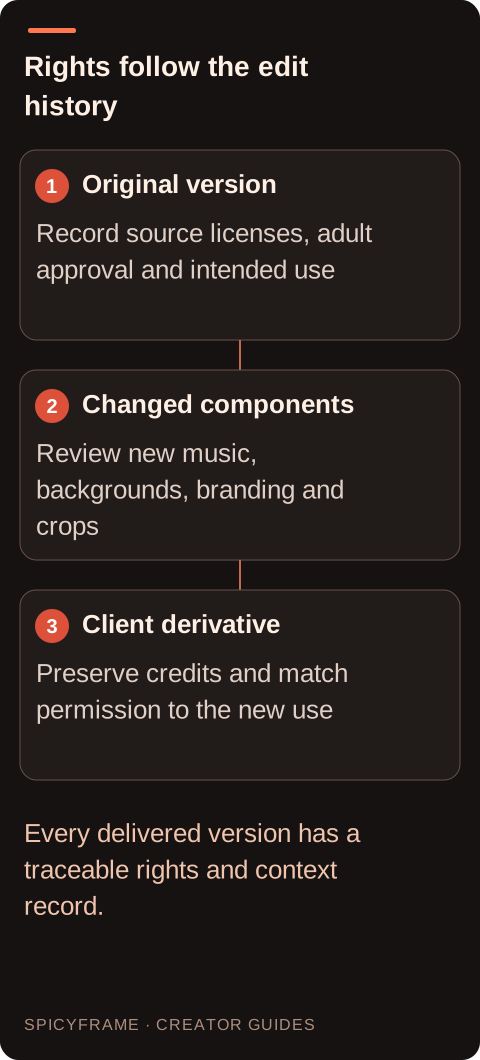
Original version: Record source licenses, adult approval and intended use. Changed components: Review new music, backgrounds, branding and crops. Client derivative: Preserve credits and match permission to the new use. Every delivered version has a traceable rights and context record.
Treat a replacement soundtrack as a new component
Suppose the silent study becomes a showreel with music. Record the track, rights holder or licensing service, license date and the uses actually covered. Check whether the terms permit the intended portfolio hosting, client download, commercial promotion and geographic distribution where relevant. Availability inside an editing app does not automatically establish every one of those uses. The audio guide distinguishes generated ambient sound from externally licensed music and narration. Keep the prior silent master so the soundtrack can be removed without regenerating the visual. If a client later substitutes another song, that replacement needs its own review and cannot inherit the first track's permission. Also inspect whether new narration makes the depicted adult appear to endorse a product or speak a message they never approved. The audio edit may change both copyright components and likeness context at the same time.
Recheck backgrounds, logos and crops before a client version
Suppose a client asks to replace the background with a branded venue and crop the scene for an advertisement. Identify the new venue photograph, logo asset and any accompanying artwork, then check their licenses for that actual use. A crop can also remove a required credit or make an editorial portrait appear to be a product endorsement. Do not assume a technical edit is legally neutral because it does not redraw the face. Compare the proposed client version with the original permission scope and obtain the additional approval that the new commercial association requires. Use a visual change log: background replaced, client mark added, caption revised, music retained or removed. That makes the review concrete. If a requested change cannot be authorized, deliver a permitted alternative rather than relabeling the source as generic AI content and hoping the earlier restrictions no longer apply.
Preserve credits in the files and places that need them
Credits may live on the portfolio page, in a video end card, in delivery notes or in another location specified by the agreement. Record which form is required rather than assuming a caption on the first post covers every later download. Add exact wording externally because generated lettering is unreliable. For the hypothetical client excerpt, check whether the shortened edit removes the end card and whether another approved credit placement is needed. Keep contributor roles accurate: source photography, styling, generated motion and external editing are different contributions. Do not invent a client commission or publication placement to make a concept project appear established. If a collaborator requests a credit correction, identify which versions and destinations carry the old wording. A versioned asset record makes that correction practical without circulating the source portrait or unrelated permissions to everyone involved in the project.
Prepare a rights-aware handoff to editors and clients
Tell collaborators which assets are approved, which uses are permitted and which credits must remain. A client receiving an MP4 may otherwise assume they can crop it, add a brand, run advertisements or sublicense it without further review. Include the relevant limits in the handoff and keep a clean master separate from derivatives. If an editor changes the soundtrack or replaces the background, repeat the rights check for the new component. The storyboard guide can help identify each scene and source in a multi-clip project. Do not send unnecessary source portraits to every collaborator; share only what their authorized role requires. Rights records should clarify the project, not become an excuse to circulate sensitive adult imagery more widely.
Recheck rights when the purpose or destination changes
A private non-explicit fashion study may later become a public portfolio item or a paid campaign. That shift can affect image licenses, likeness consent, music terms and platform rules. Review the new use before adapting the asset, even if the visual itself remains unchanged. Keep the final version, source permissions, music record and credits together so the review does not rely on memory. If a rights holder raises a concern, preserve the relevant evidence and seek a specific resolution rather than claiming that AI generation automatically defeats the complaint. This guide provides a practical decision framework, not a jurisdiction-specific legal conclusion. The reliable approach is to trace each component and each intended use instead of treating the generated MP4 as a rights-free object.
Rights checkpoints across a hypothetical fashion-video edit history
Version
New review
Record to retain
Source portrait
Image license and adult transformation permission
Exact source and agreement version
Silent portfolio study
Generated details and approved presentation
Reviewed file, crop and portfolio context
Music-backed showreel
Track license and narration implications
Soundtrack identity and permitted uses
Client campaign excerpt
Branding, background and commercial scope
New approvals and accurate credits
Corrected derivative
Changed wording and affected destinations
Version log and recipient correction record
AI image-to-video questions answered
Does the first portrait license cover every later edit?
Not automatically. Check its actual scope and review new components or purposes, including soundtrack replacement, advertising, client branding and sublicensing. One approved portfolio version is not permanent clearance for every derivative.
What should a rights version record contain?
Identify the source, applicable license version, approved output, added assets, required credits and intended use. Keep the depicted adult’s consent separately traceable so image ownership is not confused with likeness approval.
Can a client replace the music without another check?
The replacement track needs its own license review for the actual distribution. It cannot inherit permission from the previous soundtrack, and new narration may also change the subject’s approved presentation.
Why does cropping matter to a rights review?
A crop may remove a required credit, change the apparent endorsement or create a different sensitive framing. Review its context as well as its technical dimensions before treating it as an approved derivative.
Does paying for generation guarantee exclusive copyright?
No blanket exclusivity guarantee is provided. Source rights, added components, applicable law and the studio’s terms still matter; document the actual reviewed version rather than claiming ownership certainty everywhere.
How do I correct a credit after several versions were delivered?
Use the version and destination record to identify affected files and recipients. Supply corrected wording or assets where required, while avoiding unnecessary redistribution of sensitive source images or unrelated agreements.
Sources
External pages, opened in a new tab. Rankings reflect the time of writing.